
On this page
- Key Takeaways
- What Is Painting Bathroom Floor Tiles?
- Which Paint Works on Bathroom Floor Tiles?
- How Do You Prepare Bathroom Floor Tiles for Paint?
- How to Paint Bathroom Floor Tiles DIY, Step by Step
- How Do You Make Painted Floor Tiles Non-Slip?
- How Long Before You Can Walk on Painted Floor Tiles?
- How Much Does It Cost to Paint Bathroom Floor Tiles?
- Frequently Asked Questions
- Conclusion
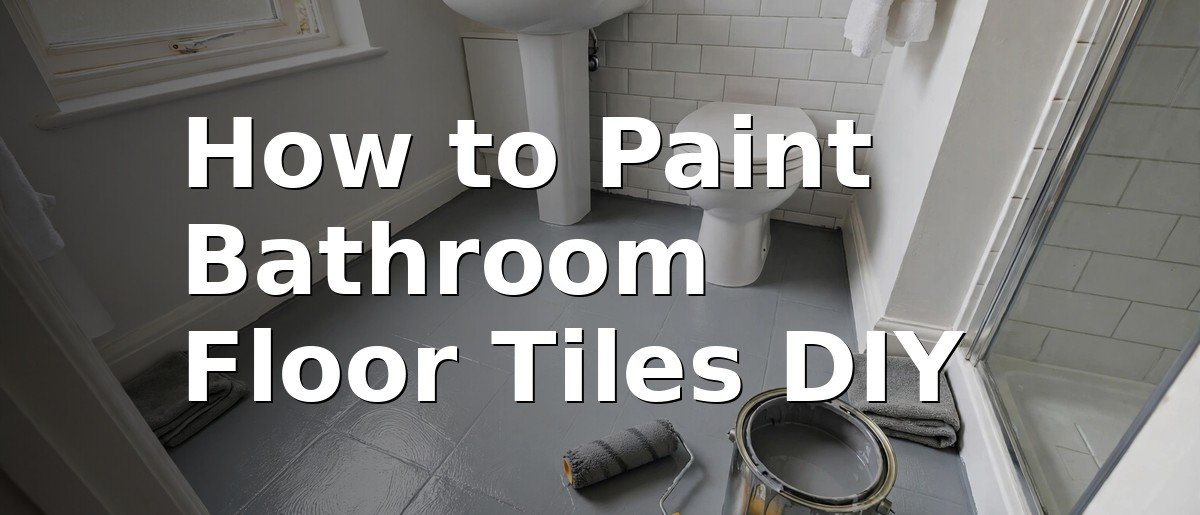
How to paint bathroom floor tiles DIY: clean and sand the glaze, prime with a bonding primer, roll two thin epoxy coats, stir anti-slip grit into the topcoat, and stay off it for 24 hours. My Homesblogs recommends epoxy because wall paint peels under feet within weeks.
Key Takeaways
- Floor tile paint must be floor-rated: two-part epoxy or a floor acrylic, never wall emulsion.
- Prep decides the result: degrease, repair the grout, sand the glaze dull, then prime.
- Anti-slip grit goes into the topcoat only, or the floor turns slick when wet.
- Light foot traffic after 24 hours; full cure takes 7 days, and no shower water until then.
- A small bathroom floor needs about 1 litre of paint for two coats.
What Is Painting Bathroom Floor Tiles?
Painting bathroom floor tiles means coating sound ceramic or porcelain floor tiles with a floor-rated paint system instead of replacing them.
Which Paint Works on Bathroom Floor Tiles?
Two-part epoxy is the strongest choice for a bathroom floor, and a floor acrylic is the easier DIY pick — wall emulsion fails under feet and water.
Two-part epoxy is a resin mixed with a hardener just before use, and it cures into a hard film that resists water, cleaning chemicals, and foot traffic. A floor acrylic such as Berger WeatherCoat Floor Protector is a water-based floor paint with high abrasion resistance and simpler one-pack application. Wall emulsion stays soft, marks easily, and lifts in sheets once feet and shower water work on it, so it has no place on a floor.
The wall version has its own method — How to Update Bathroom Cheap Without Replacing Tile covers epoxy on walls and warns floors off — so this article stays on floors only. With quality products and proper preparation, painted tile floors typically last 3 to 5 years, according to a 2025 tile-floor painting guide — so the prep below decides how close your floor gets.
| System | Coverage for 2 coats | Surface dry | Hard dry / walk on | Full cure | Source |
|---|---|---|---|---|---|
| Two-part epoxy | — | 6 hours | 24 hours | 7 days | Asian Paints Apcoflor TC 510 data sheet (at 25°C) |
| Floor acrylic | 8.4–9.3 sq m per litre | 60 minutes | 6–8 hours | — | Berger WeatherCoat Floor Protector data |
The figures are the makers' own data-sheet numbers at 25°C. Monsoon humidity stretches every one, so paint on a dry day and keep the exhaust fan running.
How Do You Prepare Bathroom Floor Tiles for Paint?
Prep takes longer than painting, and it decides whether the finish lasts years or lifts in weeks.
- Clear the room: take out the bath mat, bin, and loose fittings, then mask the skirting, door frame, and drain.
- Sweep and vacuum, then wash with hot water and a degreasing cleaner, and rinse twice — soap film kills adhesion.
- Tap every tile with a knuckle: a hollow sound means a loose tile, so re-fix or replace it before painting.
- Repair cracked grout and chips with grout or filler, and let it set fully.
- Sand every tile with 220-grit paper until the glaze turns dull — glossy spots reject paint.
- Vacuum the dust, wipe with a damp cloth, and let it dry completely.
- Roll one coat of bonding primer and let it dry per the tin.
The homesblogs rule is simple: prep decides the finish, so never skip the sanding.
How to Paint Bathroom Floor Tiles DIY, Step by Step
Work in order, one thin coat at a time, and keep the room ventilated throughout.
- Mix two-part epoxy exactly per the tin, only as much as you can roll in half an hour.
- Cut in the edges with a brush, around the skirting, drain, and toilet base.
- Roll the first thin coat with a foam roller, and never let paint pool in the grout lines.
- Wait the full recoat gap from the table, then roll the second coat the same way.
- Stir fine anti-slip grit — polymer beads or silica sand — into the topcoat before rolling it, never into the primer or first coat.
- Pull the masking tape off while the last coat is still tacky.
- Keep feet, water, and bath mats off until it cures — the times are below.
- Check the finish in daylight and touch up missed spots with a small brush.
How Do You Make Painted Floor Tiles Non-Slip?
A glossy painted floor turns slick the moment it gets wet, so grip is built into the topcoat, not added later.
The tile industry's wet-floor benchmark is a dynamic coefficient of friction of 0.42 for level floors walked on when wet, under ANSI A326.3, and a plain gloss coat rarely meets it once water hits the surface. So grit is not optional: stir fine anti-slip grit into the final coat only, keep stirring as you roll, and choose a matte or satin finish over high gloss. Test the cured floor with a wet bare foot before showering on it, and put a rubber-backed bath mat by the shower exit.
How Long Before You Can Walk on Painted Floor Tiles?
Dry and cured are different moments, and walking too early leaves permanent footprints in a soft film.
A March 2026 tile-floor painting guide puts the timeline plainly: epoxy takes 24 hours before walking on it in socks, and 7 days to fully cure. So plan the job for a weekend when the bathroom can stay shut for a week: light steps in socks after a day, but no shoes, furniture, bath mat, or wet mopping until the cure finishes. Keep shower water off the floor for the full 7 days — water on a half-cured film softens it and lifts the edges. Monsoon air stretches every drying time, so paint in the dry window of the day and run the exhaust fan.
How Much Does It Cost to Paint Bathroom Floor Tiles?
A small bathroom floor costs less than a single replacement tile job — one litre of paint usually covers it twice.
Epoxy floor paint in India costs ₹270 to ₹570 per litre, according to NoBroker's 2026 price list, with Asian Paints Apcolite Advanced at ₹570, Berger WeatherCoat Floor Protector at ₹425, and Nerolac High Sheen at ₹270. A typical small bathroom floor measures 2.4 by 1.8 metres, or 4.32 sq m, and Berger's coverage of 8.4 to 9.3 sq m per litre for two coats means one 1-litre tin covers the whole floor twice. Primer plus a pack of anti-slip grit add only a modest amount on top.
Peel and stick is the reversible alternative for renters — Peel and Stick Tile Bathroom Floor Does It Work covers that route in full. Measure the floor in metres before you buy paint — the same measure-first habit the Sonotube Concrete Calculator applies to concrete work.
Paint is the wrong answer in three cases: tiles that sound hollow when tapped, a floor with rising damp or seepage from below, and a shower floor that stands under water every day. A hollow tile cracks under feet no matter what coats it, and paint traps damp underneath instead of fixing it. Fix the tile or the leak first, and get the landlord's permission in a rented bathroom.
Frequently Asked Questions
Can you paint bathroom floor tiles with regular wall paint?
No. Wall paint stays soft and peels under feet and water within weeks. Use a floor-rated epoxy or floor acrylic, with anti-slip grit in the topcoat.
How long does painted bathroom floor tile last?
Three to five years with good prep and a floor-rated system. Skipped sanding or a missed primer coat cuts that to months.
Is a painted bathroom floor slippery when wet?
Yes, if the topcoat is plain gloss with no grit. Anti-slip grit in the final coat and a matte finish keep grip when the floor is wet.
Can I shower on a newly painted bathroom floor?
No. Keep shower water off the floor for the full 7-day cure, or the film softens and lifts at the edges.
Do I need to sand bathroom floor tiles before painting?
Yes. Sand every tile with 220-grit paper until the glaze turns dull, or the paint has nothing to grip and peels in sheets.
What if my floor tiles are cracked or loose?
Do not paint over them. A cracked tile flexes under feet and splits the paint, and a hollow tile needs re-fixing first.
Conclusion
How to paint bathroom floor tiles DIY works when the paint is floor-rated, the glaze is sanded dull, and the cure gets its full seven days. Skip the prep or the grit, and feet and water will lift the finish within weeks. Measure the floor, buy one litre, and paint on a dry day.

Leave a Reply