

On this page
- Key Takeaways
- What Counts as a Shelf Above the Toilet
- Which Shelf Type Suits Your Bathroom?
- How High and How Deep Should the Shelf Be?
- How Do You Fix a Shelf Safely on a Bathroom Wall?
- What Should You Store, and What Should Stay Off?
- How Do You Style the Shelf Without Clutter?
- Frequently Asked Questions
- Conclusion
The wall above the toilet is the most wasted storage space in a small bathroom, and a DIY shelf there works when three measurements are right: 25 cm of clear space above the cistern lid, a shelf depth of 15 to 20 cm, and fixings seated in solid wall material.
Key Takeaways
- Leave at least 25 cm between the cistern lid and the lowest shelf so the lid lifts off.
- Keep shelf depth to 15 to 20 cm, so nothing bumps your head.
- Match the fixing to the wall: masonry plugs for brick, toggle bolts for hollow board.
- Store daily items low, light things high; never put heavy jars or medicines above it.
- In a rented flat, a ladder shelf or over-toilet frame needs no drilling.
What Counts as a Shelf Above the Toilet
A shelf above the toilet is any storage surface fixed to the wall over the cistern, from a single floating board to a full cabinet. It is not the flat top of the cistern itself, which is a lid that must lift off, not a shelf. In most South Asian flats the usable strip runs from just above the cistern to the ceiling.
This My Homesblogs guide treats that strip as one project: choose the type, set the height, fix it properly, and decide what lives on it.
Which Shelf Type Suits Your Bathroom?
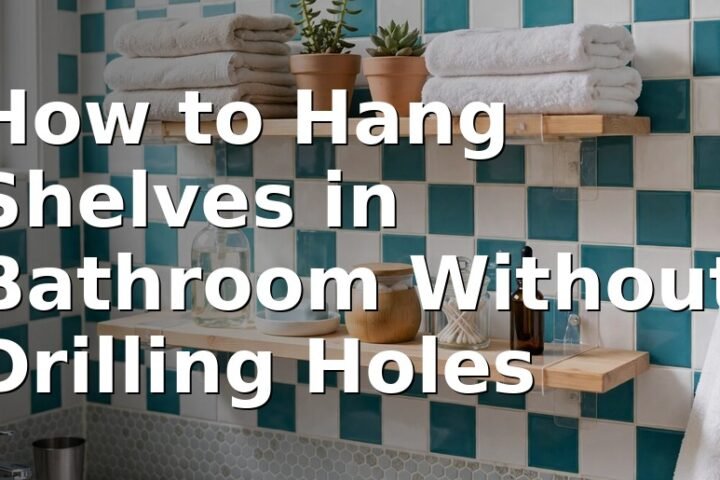
Floating shelves are the most popular choice because they look light and can be cut to the wall's exact width. A single 60 cm board suits a narrow alcove, while two or three boards stacked with 30 to 45 cm between them turn a bare wall into a storage column.
A leaning ladder shelf is the renter-friendly option: it stands on the floor behind the toilet, leans against the wall, and needs no drilling. An over-toilet frame, sometimes sold as an etagere, works the same way but stands on four legs that straddle the cistern. A wall cabinet with doors suits a shared bathroom, since closed doors hide bottles and keep steam off the contents.
A recessed niche is the premium option: a shallow tiled box set into the wall so nothing sticks out. It means cutting into masonry, so it belongs in a renovation, not a weekend project.
How High and How Deep Should the Shelf Be?
Height is decided by the cistern, not by eye level. Trade guidance from EngineerFix puts the minimum clearance at 25 to 30 cm between the cistern lid and the underside of the lowest shelf, so the lid can be lifted off without removing the shelf. For comfort, the same guides recommend the bottom shelf 60 to 90 cm above the lid, roughly 130 to 140 cm from the floor.
Depth is decided by your head. A shelf deeper than the cistern lid will catch you when you stand up, so EngineerFix recommends 15 to 20 cm, roughly 2.5 cm less than the cistern lid's depth. A Jaquar full-frame concealed cistern stands about 1025 mm tall behind the wall, while Hindware's slim Concealo tank is only 80 mm deep.
Allow 30 to 45 cm between boards so tall bottles and baskets fit. Mark the height, then sit on the toilet and mime standing up before drilling: if the shelf line crosses your forehead's path, raise it 10 cm.
How Do You Fix a Shelf Safely on a Bathroom Wall?
Start by finding what is behind the plaster. South Asian bathroom walls are usually brick, concrete block, or plaster over brick. Sweep a pipe and cable detector over the marked area first.
For brick and concrete, drill with a masonry bit, blow out the dust, and seat a nylon plug fully into the solid material, never half in the plaster. A 6 mm plug suits most bathroom shelves; an 8 mm plug suits heavier boards. Cottage Beams rates each concealed rod fixing into masonry at 12 kg, giving 24 kg across two fixings and 36 kg across three, shelf weight included. A Suptek manual caps its floating shelf bracket at 8 kg.
For hollow board walls, a nylon plug will spin uselessly, so use toggle bolts or cavity anchors. For a tiled wall, drill through the tile with a tile bit at low speed, centre every hole on a full tile at least 25 mm from edges. If the project includes a recessed masonry niche above the toilet, work out the volume of brick and mortar to remove before cutting, since a Cubic Yard Calculator can work out the material volume from the niche dimensions before starting.
What Should You Store, and What Should Stay Off?
The lowest shelf is for daily items: spare toilet rolls, hand towels, and cleaning spray. The middle shelf suits backstock such as refill bottles, and the top shelf is for light, rarely used things. A small-bathroom storage guide updated in October 2026 gives the same rule in short form: daily items low, backstock high, and lidded baskets on the top shelf.
Some things must never live above a toilet. Heavy glass jars, ceramic dispensers, and anything breakable can fall into the bowl or onto a person, and the splash zone makes it the wrong home for medicines, cotton, and anything that must stay dry. Keep the total load well under the fixing rating, with heavy items on the lowest shelf, close to the brackets.
Humidity decides between open and closed storage. In a monsoon-season bathroom without an exhaust fan, open shelves let fabric go musty, so towels there need regular washing. Closed baskets protect contents but hide damp, so check behind them every few weeks.
How Do You Style the Shelf Without Clutter?
A shelf above the toilet looks styled when it follows one simple formula: one basket for the not-pretty things, one tidy stack of towels or spare rolls, and one small accent such as a plant or a candle. A habit homesblogs readers swear by is leaving one third of each shelf empty.
| Shelf type | Best for | Depth | Load guide | Source |
|---|---|---|---|---|
| Floating wood board | Towels and rolls | 15 to 20 cm | 24 kg, two fixings | Cottage Beams |
| Leaning ladder shelf | Rented flats | 20 to 30 cm | Floor-standing | HeySunday, Oct 2026 |
| Wall cabinet with doors | Shared bathrooms | 15 to 20 cm | Bracket rating governs | Suptek manual |
| Recessed tile niche | Renovations | 10 to 15 cm | Masonry-set | Jaquar listings |
| Glass shelf on brackets | Narrow walls | 15 cm | 8 kg per bracket | Suptek manual |
| Single small bracket shelf | One plant or candle | 15 cm | 8 kg maximum | Suptek manual |
In rented homes, check the tenancy agreement before drilling, and photograph the wall first so holes can be filled at move-out. Concealed cisterns change the job: the flush plate and frame must stay reachable, so never fix a shelf across an access panel. Low ceilings call for two shelves instead of three. If the wall is crumbling plaster or a concealed frame you cannot identify, call a professional before drilling.
Frequently Asked Questions
How high should the first shelf be above the toilet?
Leave at least 25 to 30 cm between the cistern lid and the lowest shelf, and aim for 60 to 90 cm above the lid.
Can I put shelves above a toilet with a concealed cistern?
Yes, and it is often easier, since there is no bulky cistern lid to clear. Keep the flush plate and access panel reachable.
What depth of shelf is safe above a toilet?
A depth of 15 to 20 cm is safe, roughly 2.5 cm less than the cistern lid's depth.
How much weight can a floating shelf above the toilet hold?
It depends on the wall and bracket: concealed rod fixings into masonry are rated around 12 kg each; a single small bracket may be capped at 8 kg.
Do I need to drill to add shelves above the toilet?
No. A leaning ladder shelf or an over-toilet frame stands on the floor and needs no drilling.
What should I never store above the toilet?
Heavy glass jars, breakable ceramics, medicines, cotton, and electrical items: a falling object lands in the bowl, and splashes ruin anything that must stay dry.
Conclusion
Measure the cistern, set the first shelf 25 cm above its lid, keep the depth to 15 to 20 cm, and fix into solid wall material. Done that way, the wall above the toilet stops being wasted space, and that is exactly bathroom shelf ideas above toilet DIY without turning a simple shelf into a falling hazard.

Leave a Reply