

On this page
- Key Takeaways
- What Is a Narrow Bathroom Storage Cabinet?
- Which Narrow Cabinet Fits Which Gap?
- How Do You Measure Before You Buy?
- What Goes on Each Shelf?
- How Do You Keep a Narrow Cabinet Dry in Monsoon?
- What About Renters and Children?
- What If There Is No Wall and No Floor Space?
- Frequently Asked Questions
- Conclusion
Measure the gap first, then pick a cabinet 2 cm narrower than the space: a 20 cm tallboy beside the basin, a 40 cm wall cabinet above the toilet, or an 18 cm rolling cart. That is how narrow bathroom storage cabinet ideas small spaces work.
Key Takeaways
- Measure width, depth, door swing and plumbing clearance before you buy.
- Tallboys of 20–22 cm fit beside the basin; wall cabinets of 40–50 cm above the toilet.
- Top shelf for daily items, middle for medicines in a locked box, bottom for spares.
- Buy BWP or marine plywood (IS 710) or waterproof plastic — ordinary MDF swells in one monsoon.
- Fix every tall cabinet to the wall with an anti-tip strap.
At My Homesblogs, a narrow bathroom cabinet is not a smaller version of a big one: it is a different piece of furniture, built around one gap in one small room, and it works only when the gap was measured before the order was placed.
What Is a Narrow Bathroom Storage Cabinet?
A narrow bathroom storage cabinet is a tall, slim unit made to fit a gap a standard cabinet cannot: the strip beside a pedestal basin, the corner behind the door, the wall above the cistern, or the floor gap. Standard wall cabinets are 60–90 cm wide and 15–25 cm deep, and compact bathrooms do better with narrower units of around 40–50 cm (Pepperfry bathroom cabinet guide). Slim specialist units run 18–26 cm wide and 140–180 cm tall.
The mistake is buying the cabinet first and finding the gap second. Measure the gap, then buy the cabinet to fit it.
Which Narrow Cabinet Fits Which Gap?
A slim tallboy is the workhorse: freestanding, 20–22 cm wide and 160–180 cm tall. The Redd Royal tall slim cabinet measures 162 × 26 × 22 cm and is made for narrow corners (Desertcart India). The SoBuy slim cabinet is 20 × 20 × 180 cm with six adjustable shelves and a drawer, and fits beside a vanity or behind a door (Desertcart India).
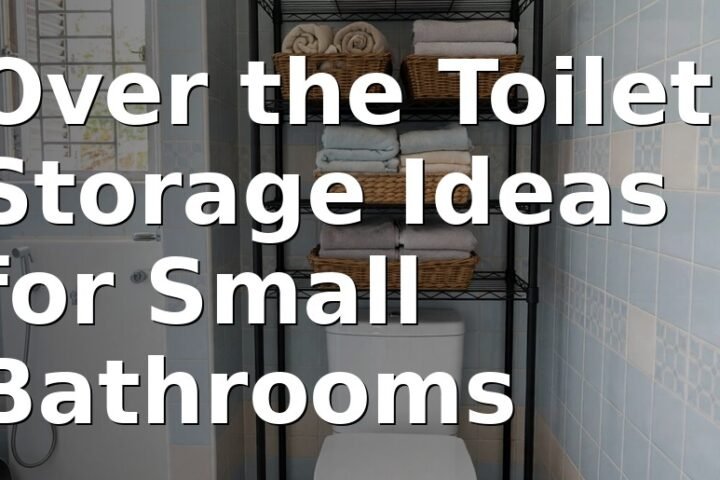
The floor gap beside the basin or toilet takes a slim rolling cart: the 18 cm waterproof gap organizer with two tiers and clear drawers slides into spaces a fixed cabinet cannot reach (Desertcart India). Above the toilet, a narrow wall cabinet of 40–50 cm wide and 15–25 cm deep works, its door opening sideways. A corner cabinet uses the dead triangle behind the door; a recessed niche sits inside the wall but needs a mason.
How Do You Measure Before You Buy?
Measure three things, in centimetres, before you shop. First, the gap itself: width at the floor and at shoulder height, and depth to the nearest obstruction. Measure at two heights — walls in older homes are rarely straight.
Second, the door swing: a hinged door needs its full width clear in front of it. Sliding doors or open top shelves solve this. Third, the plumbing: the trap under the basin, the inlet pipe to the cistern, and the drain. Leave 5 cm of clearance around every pipe and valve. Then subtract 2 cm from the gap width: a 22 cm gap takes a 20 cm cabinet, a 20 cm gap an 18 cm cart. If the zone is part of a bigger bathroom rebuild, the Sonotube Concrete Calculator gives you a quick volume estimate before you order material.
What Goes on Each Shelf?
Give each shelf one job, from most reached-for at the top to least at the bottom. The top shelf holds daily items only: toothbrushes, toothpaste, soap, one moisturiser and deodorant. The middle shelf takes medicines in a labelled box and hair tools. The bottom shelf is for spares: extra toilet rolls, refill bottles, cotton packs and the cleaning spray — one of each, no duplicates.
Mixing the jobs is what goes wrong: medicines get knocked open, and spare bottles push daily items to the back. In the homesblogs approach, the rule is simple: one home per item, and nothing homeless. Keep heavy bottles low and light things high — a tall narrow cabinet is top-heavy by design. Put a small tray on each shelf so a spill stays in the tray, and label each shelf: DAILY, MEDICINES, SPARES.
How Do You Keep a Narrow Cabinet Dry in Monsoon?
Between June and October, indoor humidity in Indian homes can reach 70–90%, and outdoor humidity regularly passes 80% (Karban, 2026; indoorair.guide). Indoors, 40–60% is safe; above 60%, mould becomes likely, and a 10-minute shower pushes a bathroom near 100% (indoorair.guide).
Three habits stop it: first, buy BWP or marine plywood certified to IS 710, or waterproof plastic. BWR plywood under IS 303 copes with humidity, but MR grade fails under sustained damp, and standard MDF swells when wet and never goes back down (Budget Interiors). The Nilkamal Freedom plastic cabinet on Pepperfry costs ₹5,599 and is termite-free, rust-free and waterproof (Pepperfry). Second, run the exhaust fan for 10 minutes after every shower. Third, put one silica gel sachet on each shelf, replaced monthly in monsoon, and never store wet items in a closed cabinet. An air conditioner's Dry mode, run for one to two hours, pulls monsoon humidity back toward 40–60% (Moneycontrol, July 2026).
What About Renters and Children?
In a rented bathroom, tallboys, rolling carts and over-toilet units need no drilling. For a wall cabinet, use heavy-duty adhesive hooks rated for the full weight. Anything screwed to the wall needs the landlord's permission in writing.
Children change the rules: a tall narrow cabinet is the easiest furniture in the house to pull over — tall, light at the top, at a climbing child's height. Fix every tallboy to the wall with an anti-tip strap — the SoBuy slim cabinet ships with a built-in anti-tipping mechanism (Desertcart India). Put medicines on the top shelf behind a magnetic child lock, never on the bottom shelf, and keep cleaning products out of a low cabinet. Give the child their own low shelf, so they never need to open yours.
| Cabinet type | Fits | Best use | Typical cost | Source |
|---|---|---|---|---|
| Slim tallboy | 20–26 cm wide | Daily bottles | ₹2,000–₹6,000 | Desertcart India (Redd Royal, SoBuy) |
| Slim rolling cart | 18 cm floor gap | Rolls, spares | ₹650–₹1,500 | Desertcart India; Facebook, May 2026 |
| Narrow wall cabinet | 40–50 cm wide, above toilet | Medicines, daily items | ₹2,500–₹9,500 | Pepperfry guide; Plantex, Amazon India |
| Corner tallboy | Dead corner behind door | Towels, spares | ₹3,000–₹8,000 | Desertcart India (Redd Royal) |
| Over-toilet unit | Above cistern, 40–60 cm | Refills, rolls | ₹5,000–₹15,000 | Pepperfry guide |
| Plastic cabinet | Any damp corner | Rented homes, wet zones | ₹5,599 | Pepperfry (Nilkamal Freedom) |
What If There Is No Wall and No Floor Space?
Some bathrooms have nowhere for a cabinet: a pedestal basin, a door swinging across the only free wall, or five people sharing one small room. The cabinet then becomes a door-back organizer, a suction caddy, or a slim cart in the 18 cm gap beside the toilet. If the bathroom already has a mirror cabinet, treat it as the narrow cabinet: medicines and toiletries only.
Frequently Asked Questions
How wide should a narrow bathroom cabinet be?
20–22 cm for a tallboy, 18 cm for a rolling cart, and 40–50 cm for a wall cabinet above the toilet. Always buy 2 cm narrower than the gap.
Can I put a wooden cabinet in a humid bathroom?
Only BWP or marine plywood certified to IS 710, with every edge sealed. Ordinary MDF and MR-grade plywood swell in monsoon; waterproof plastic or 304 stainless steel are safer.
How do I stop mould inside a bathroom cabinet?
Run the exhaust fan for 10 minutes after every shower, keep one silica gel sachet per shelf, and never store wet items inside.
Do narrow cabinets need to be fixed to the wall?
Yes for any freestanding tallboy — use an anti-tip strap, especially with children at home. Wall cabinets need proper plugs and screws into solid wall.
What is the cheapest narrow bathroom cabinet?
A two-tier rolling cart costs around ₹650–₹1,500. A basic wall cabinet starts under ₹5,000, mid-range runs ₹5,000–₹15,000 (Pepperfry).
Where should medicines go in a narrow cabinet?
On the top shelf, in a small labelled box behind a magnetic child lock. Check expiry monthly and hand expired medicines to a chemist, never down the drain.
Conclusion
A narrow bathroom does not need a bigger cabinet — it needs the right cabinet for one measured gap: a 20 cm tallboy, a 40 cm wall cabinet, or an 18 cm cart, in waterproof material, fixed to the wall, with one job per shelf. That is how narrow bathroom storage cabinet ideas small spaces turn a gap nobody used into the most useful storage in the room.


Leave a Reply