
Roofing & Exterior
Ramp Calculator
Work out ramp length, slope angle and landings from the total rise and slope ratio.
Open calculator
A rolling offset moves a pipe both up and over at once. Enter the rise and roll and choose your fitting angle to get the travel (centre-to-centre) length to cut.
In plumbing and pipe fitting, a rolling offset changes a pipe’s position in two directions with one pair of fittings. This tool gives the three numbers you need: the true offset, the travel between fitting centres and the setback along the run.
The rise and roll form two sides of a right triangle; their hypotenuse is the true offset. Multiplying the true offset by the constant for your fitting angle gives travel, and a second constant gives setback. The same right-triangle maths drives the Ramp Calculator.
In plain terms, here is the calculation the tool runs:
A 12" rise and 16" roll with two 45° fittings.
Travel is 28 5/16" centre to centre.
The distance from the centre of a fitting to the end of the pipe inside it. Subtract it for each fitting from travel.
Because the offset is not in one plane — the pipe “rolls” around the run as it rises.
The geometry is the same for conduit bends, though electricians often use multipliers based on bend angle.
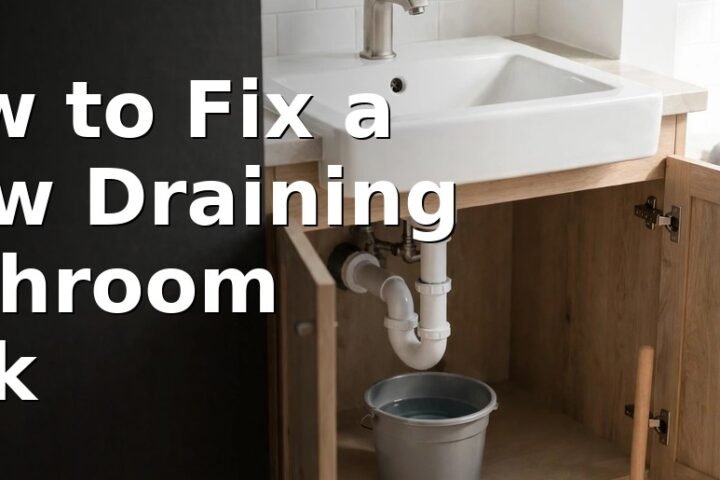
Most slow bathroom sinks clear without a plumber: clean hair and soap scum off the pop-up stopper, plunge with the overflow sealed, then rinse the bottle trap. If water still drains slowly, feed a…
You can replace a bathroom light fixture yourself in 45 to 90 minutes when the wiring is sound: switch the circuit off at the breaker, prove the wires dead with a tester, remove the…
For most South Asian bathrooms, a sanitary-grade, anti-fungal, neutral-cure silicone is the safest buy: it stays flexible, resists mould through monsoon months, and will not stain marble or corrode metal. Use acetoxy silicone only…